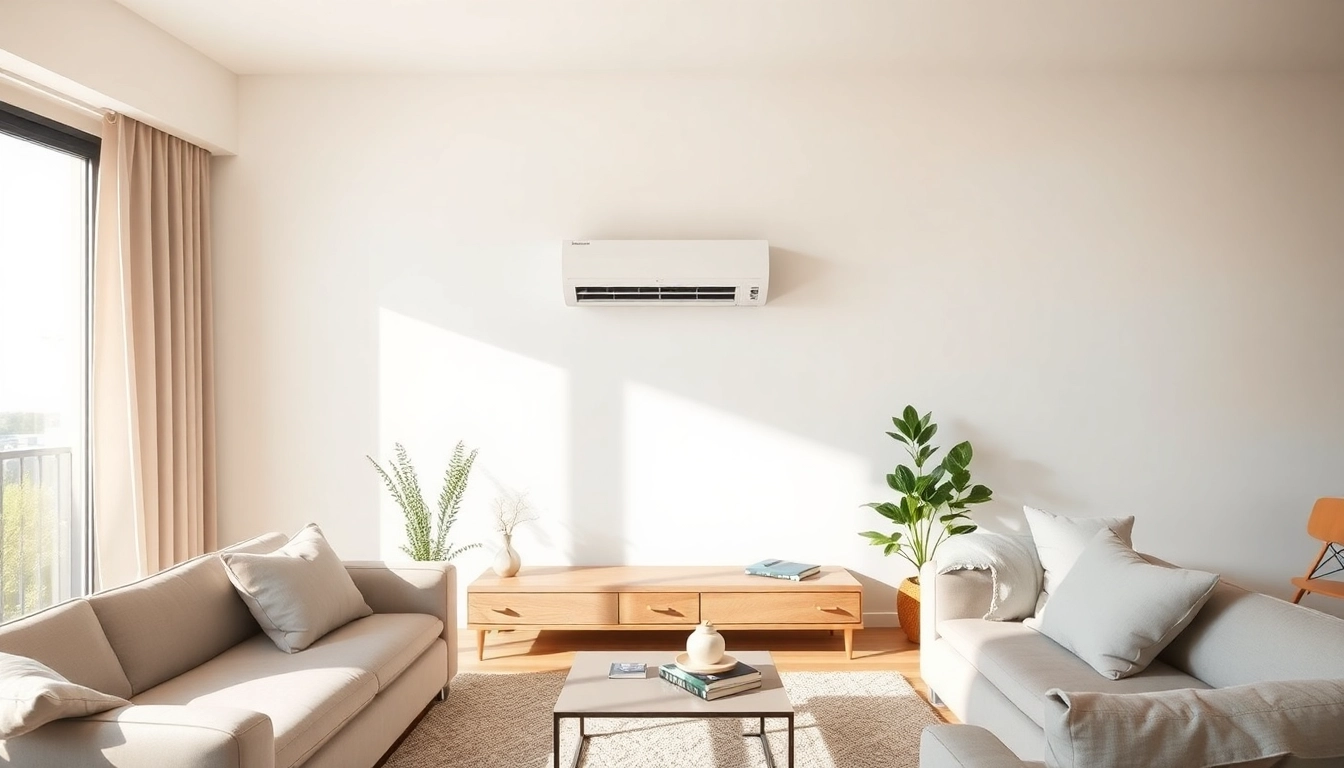
Understanding daikin mini split ac Systems
The daikin mini split ac systems are a popular solution for residential and commercial climate control. There’s a growing preference for these units due to their energy efficiency and ability to provide customized comfort. Understanding what they are and how they differ from traditional HVAC systems is crucial for anyone considering an upgrade or a new installation.
What is a daikin mini split ac?
A daikin mini split ac is a type of air conditioning system that consists of two main components: an outdoor unit and one or more indoor units. Unlike conventional systems that often require ductwork, mini splits are ductless, making them easier to install in various environments. They are particularly advantageous in homes lacking ductwork or where adding ducts would be impractical or too costly.
Components of a daikin mini split ac
The key components of a daikin mini split ac system include:
- Outdoor Unit: Houses the compressor and condenser, responsible for dissipating heat.
- Indoor Unit: This blows cool air into the room; it may be wall-mounted, ceiling-mounted, or floor-mounted.
- Refrigerant Lines: Connect the indoor and outdoor units, circulating the refrigerant that absorbs and releases heat.
- Remote Control: Allows users to adjust settings from anywhere in the room for convenience.
Advantages over traditional HVAC systems
daikin mini split ac systems boast several benefits compared to traditional HVAC units, such as:
- Energy Efficiency: Mini splits often boast higher SEER (Seasonal Energy Efficiency Ratio) ratings, leading to lower energy bills.
- Installation Flexibility: They can be installed in almost any room without the need for ductwork.
- Individual Room Control: Users can set different temperatures for different areas—the perfect solution for varied comfort levels.
- Improved Air Quality: As they do not rely on ducts, there’s less chance for dust and allergens to circulate, improving indoor air quality.
Installation Process for daikin mini split ac Units
Installing a daikin mini split ac system involves specific steps to ensure optimal performance and efficiency. Here’s how to effectively manage the installation process.
Choosing the right location
Choosing the appropriate location for your daikin mini split ac installation is vital. Key factors to consider include:
- Indoor Unit Placement: Ensure it’s positioned high on the wall and away from furniture to allow proper airflow.
- Outdoor Unit Ventilation: The outdoor unit should be placed in an area with good airflow and away from obstructions.
- Proximity to Power Supply: Minimize the distance between the inside and outside units to reduce refrigerant line lengths and improve efficiency.
Steps for installation
Here’s a step-by-step guide for installing your daikin mini split ac:
- Install the mounting bracket for the indoor unit on the wall.
- Drill a hole through the wall for the refrigerant lines.
- Connect the indoor unit to the refrigerant lines and power cables.
- Install the outdoor unit on a stable platform and connect the refrigerant lines.
- Complete electrical connections and test the system for operation.
Common installation pitfalls to avoid
While installing a daikin mini split ac may seem straightforward, avoid these common mistakes:
- Improper Refrigerant Charging: Ensure you have the correct amount of refrigerant; too much or too little can hinder performance.
- Poor Drainage: Ensure the condensate drain is properly positioned to avoid water damage.
- Ignoring Electrical Codes: Always adhere to local codes and regulations to ensure safety and compliance.
Maintenance Tips for your daikin mini split ac
Regular maintenance is crucial for the longevity and effectiveness of your daikin mini split ac system. Here are practical tips to keep your unit in top shape.
Regular cleaning and upkeep
Regularly cleaning the air filters is essential to maintain efficiency. Aim to clean reusable filters once a month and replace disposable filters according to the manufacturer’s recommendations. Additionally, keep the outdoor unit free from debris and foliage to facilitate proper airflow.
Scheduling professional inspections
It’s advisable to schedule a professional inspection annually. Technicians can check refrigerant levels, inspect electrical connections, and conduct a thorough cleaning, which might not be feasible for a DIYer.
Signs your system needs servicing
Be on the lookout for signs indicating it’s time for servicing:
- Increased energy bills despite consistent usage patterns.
- Unusual noises from the unit, like grinding or squeaking.
- Inconsistent cooling or heating in different rooms.
- Visible leaks or moisture buildup around the unit.
Energy Efficiency and Cost Savings
Energy efficiency plays a significant role in the overall savings and environmental impact of your daikin mini split ac system. Understanding its energy usage can greatly influence your decision.
Understanding energy ratings
The energy efficiency of an air conditioning system is measured using SEER ratings; a higher rating indicates more efficiency. When selecting a daikin mini split ac, look for units with SEER ratings above 16 for optimal savings.
How a daikin mini split ac saves on energy bills
One of the most significant advantages of using a daikin mini split ac is its ability to deliver targeted heating and cooling to specific areas, reducing energy consumption. Since only rooms being utilized receive cooling or heating, you can significantly reduce your energy bills compared to central air systems.
Comparing efficiency with traditional systems
When comparing the efficiency of a daikin mini split ac with traditional HVAC systems, you will typically find that mini splits achieve up to 30% higher efficiency, leading to substantial cost reductions over time. Additionally, the absence of duct losses, which can account for up to 30% energy loss in central systems, enhances energy savings.
FAQs About daikin mini split ac Systems
What size daikin mini split ac do I need?
The size of the unit you need depends on the area you wish to cool. Typically, a cooling capacity between 9,000 to 36,000 BTU should be calculated based on room size and insulation.
Can I install a daikin mini split ac myself?
While DIY installation is possible, professional installation is recommended for optimal performance and warranty compliance, as it involves complex refrigerant handling and electrical work.
How often should I service my system?
Typically, you should schedule professional servicing annually. Regular filter cleaning and inspections will help maintain efficiency and prolong the lifespan of the system.
Is a daikin mini split ac noisy?
Generally, daikin mini split ac units are quiet, operating at about 19 dBA at their lowest setting, making them a great choice for bedrooms and living areas.
What is the lifespan of a daikin mini split ac?
On average, a properly maintained daikin mini split ac can last between 15 to 20 years, depending on usage and maintenance practices.