
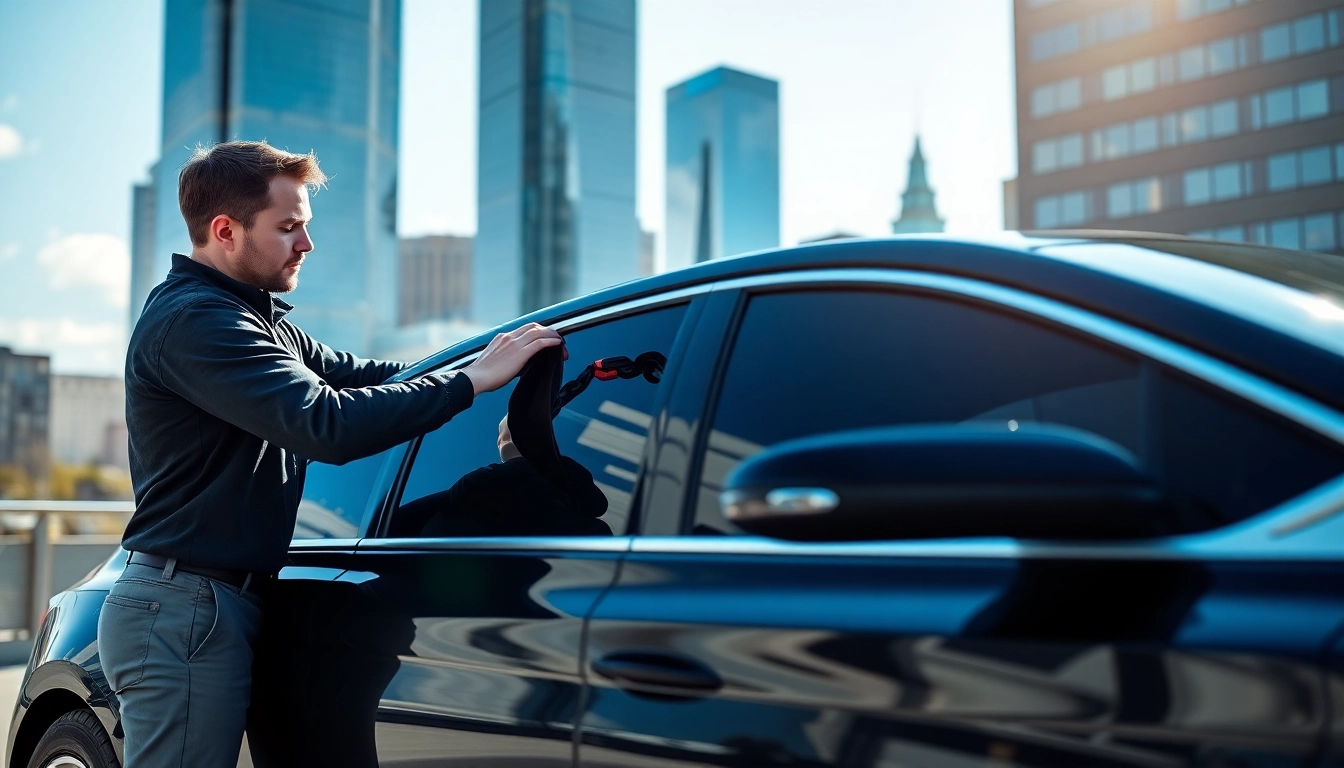
Introduction to Window Tinting Cleveland TN
Window tinting is a popular practice that involves applying a thin layer of film over the windows of vehicles, homes, and businesses. This film is designed to enhance privacy, improve aesthetics, and provide numerous functional benefits. In Cleveland, TN, window tinting Cleveland TN has become an essential part of vehicle maintenance and comfort. It offers drivers increased protection from harmful UV rays, improved climate control inside the vehicle, and added security against break-ins.
What is Window Tinting?
Window tinting involves applying a specialized film to glass surfaces. This film absorbs, reflects, or transmits sunlight, depending on its composition and the desired effects. Various types of films are available, including dyed, metalized, and ceramic options, each offering distinct benefits. The application process typically includes measuring the windows, cutting the film to size, and using adhesive to secure it to the glass.
Benefits of Window Tinting
The advantages of window tinting are multifaceted. Primarily, window tinting significantly reduces heat build-up inside vehicles and buildings, allowing for a more comfortable environment even during hot summer months. Additionally, window films can block up to 99% of harmful UV rays, which can prevent skin damage and fading of interior surfaces.
- Enhanced Privacy: Tinted windows provide a sense of privacy for occupants, keeping the view inside the vehicle or home more secluded.
- Improved Safety: In the event of a glass breakage, tinted films hold shattered glass together, reducing the risk of injury.
- Fuel Efficiency: By reducing the need for air conditioning, window tinting may enhance fuel efficiency in vehicles.
Legal Considerations in Cleveland
Before applying window tint, it is crucial to understand local laws regulating tint darkness and reflectivity. In Cleveland, TN, the legal regulations stipulate specific guidelines that must be adhered to in order to avoid fines or removal of the tint. Generally, the front windshield must allow more than 70% of light in, while other windows have more lenient regulations. Always consult with local authorities or professionals to ensure compliance with these regulations.
Types of Window Tinting Films
Choosing the right type of window tint film is vital for achieving the desired outcomes and benefits. Below, we outline the three main categories of window tinting films, each with unique properties and applications.
Dyed Window Films
Dyed window films are one of the most common and cost-effective options. They are made by adding dye to an adhesive layer, which is then applied to the window. These films are primarily used for aesthetic purposes and provide minimal heat rejection compared to other types.
- Advantages: Affordable, easy to install, and available in various shades.
- Disadvantages: Lower heat rejection and potential fading over time.
Metalized Window Films
Metalized films incorporate tiny particles of metal into the film, which reflects heat and UV rays more effectively. These are known for their durability and effectiveness in enhancing privacy while blocking solar energy.
- Advantages: Superior heat and UV rejection, added strength, and shatter resistance.
- Disadvantages: Possible interference with electronic devices due to reflective surface.
Ceramic Window Films
Ceramic films are the most advanced choice available, utilizing nanotechnology to provide maximum heat and UV protection without significantly altering the appearance of the windows. They are ideal for those seeking efficiency without compromising visibility.
- Advantages: High durability, excellent heat rejection, and no metal content, preventing signal interference.
- Disadvantages: Higher initial cost compared to dyed and metalized films.
The Installation Process
Proper installation is crucial for maximizing the benefits of window tinting. Here’s a step-by-step guide to what the installation process typically involves.
Preparation of the Vehicle
Before installation can begin, the vehicle must be thoroughly cleaned. This includes washing windows, removing dirt and debris, and ensuring that surfaces are free of obstructions. Professionals will also check for any existing tinting that needs to be removed.
Application Techniques
Once the preparation is complete, the window tint film is cut to size and carefully applied to the glass surface. Advanced techniques like heat application may be used to ensure a seamless fit and prevent air bubbles. Adhering to correct temperature conditions and using specialized tools are significant for effective installation.
Post-Installation Care
After installation, it is essential to allow the film to cure properly. This period varies but typically lasts about a few days, during which the windows should not be rolled down. Owners should also avoid cleaning the windows with harsh chemicals for a recommended period to ensure that the film adheres properly.
Choosing the Right Tint for Your Needs
Understanding your specific needs and how window tinting fits into your lifestyle can help in selecting the right tint.
Factors to Consider
When choosing window tint, various factors come into play, including the level of privacy you desire, heat reduction needs, and your budget. The type of usage can also affect decisions, such as whether the vehicle is primarily for personal or commercial use. It’s crucial to strike a balance between aesthetics and functionality.
Professional vs. DIY Installation
While DIY installation kits are available, professional installation is recommended for optimal results. Professionals have the experience and tools necessary to ensure a perfect fit without bubbles and imperfections. Moreover, they are knowledgeable about local regulations, which can prevent legal issues down the line.
Cost Considerations in Cleveland
The cost of window tinting in Cleveland, TN, can vary significantly based on several factors, including the type of film, vehicle size, and installation complexity. On average, prices can range from $100 to $400, with higher-quality films typically costing more. It’s essential to obtain quotes from several professionals and consider long-term benefits when evaluating costs.
FAQs about Window Tinting Cleveland TN
How long does window tinting last?
Quality window tinting typically lasts between 5 to 15 years, depending on the film type and maintenance practices. Proper care can extend its life significantly.
Is window tinting legal in Cleveland?
Yes, window tinting is legal in Cleveland, TN, but must adhere to specified regulations regarding visibility limits, especially for front windows. Always check local laws before installation.
Can I clean tinted windows?
Yes, but use non-abrasive cleaners and soft cloths to avoid scratching the film. It’s best to wait at least a week after installation before cleaning.
What is the best type of tint for my car?
The best type of tint varies based on personal preference and needs. Ceramic films offer the highest heat rejection, while dyed films are more budget-friendly.
Does window tinting reduce heat in my vehicle?
Yes, window tinting significantly reduces heat build-up by blocking solar radiation, making for a more comfortable driving experience in sunny conditions.
